


Crédito: Depositphotos
Choosing between Rio de Janeiro and Buenos Aires is a common dilemma for travelers planning a trip to South America. Both cities rank among the continent’s most visited destinations and offer outstanding gastronomy, a vibrant cultural scene, walkable neighborhoods, and a distinctive identity that captivates visitors from around the world.
Even so, the travel experience each city offers is remarkably different.
While Buenos Aires charms visitors with its cosmopolitan atmosphere, historic cafés, and strong European influence, Rio de Janeiro combines nature, urban life, gastronomy, and beaches in a way that is difficult to find in any other major city in the world. Rather than deciding which destination is better, the real question is which city best matches your travel style.
In this guide, we compare both destinations from different perspectives to help you make that choice.
Two Fascinating Destinations, Two Ways to Experience a City
Although they share the spotlight as two of South America’s leading travel destinations, Rio de Janeiro and Buenos Aires offer completely different rhythms.
Buenos Aires invites visitors to wander along tree-lined avenues, browse historic bookstores, linger in century-old cafés, and admire architecture inspired by French and Italian design. It is a capital where life unfolds on sidewalks, in parks, and around café tables, with each neighborhood revealing its own unique personality.
Rio de Janeiro, on the other hand, stands out for the seamless way it blends nature with urban life. The beach is not a planned excursion but an integral part of everyday life. In a single day, you can stroll along Ipanema’s beachfront promenade in the morning, visit a museum in the afternoon, enjoy the city’s contemporary gastronomy, and end the day watching the sunset from Arpoador.
This harmonious connection between city, sea, and mountains is one of the defining features that makes Rio such a unique destination.
Another interesting distinction lies in the way each city is explored.
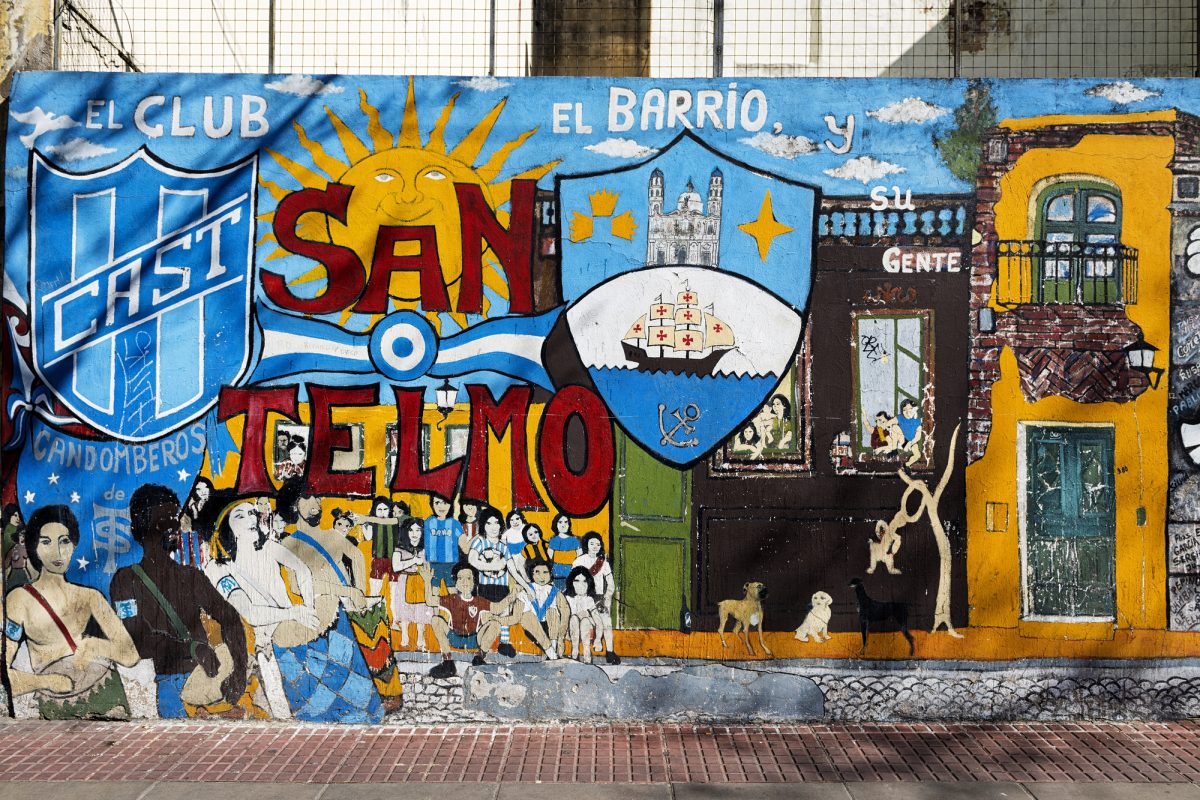
In Buenos Aires, travelers often organize their itinerary by neighborhood. One day may be devoted to Recoleta and its museums, another to Palermo and its renowned dining scene, while San Telmo deserves a visit of its own to discover its antique shops, markets, and traditional cafés.
In Rio, especially for those staying in Ipanema, this division is far less noticeable. Within just a few minutes’ walk, you’ll find the beach, restaurants, art galleries, cafés, independent boutiques, and cultural centers, making it easy to enjoy a variety of experiences without traveling long distances.
This convenience is part of the Carioca lifestyle and plays an important role in the way visitors experience the city.
Culture and Art: Porteño Tradition or Carioca Creativity?
Travelers seeking cultural experiences will find excellent options in both destinations, but each city offers a distinct relationship with art.
Buenos Aires preserves a rich tradition centered around grand theaters, world-class museums, and historic architecture.
The city’s most iconic cultural landmark is the Teatro Colón, widely regarded as one of the finest opera houses in the world thanks to its exceptional acoustics and magnificent architecture. Even visitors who do not usually attend performances often include a guided tour of the building in their itinerary. Its program features opera, symphony concerts, and performances by the renowned resident ballet company.
Another highlight is MALBA (Museum of Latin American Art of Buenos Aires), one of the continent’s leading institutions for modern and contemporary Latin American art. Its permanent collection includes works by artists such as Frida Kahlo, Diego Rivera, Tarsila do Amaral, and Antonio Berni, alongside outstanding temporary exhibitions.
For book lovers, few cities in the world have such a deep connection with literature as Buenos Aires. The city is home to hundreds of independent bookstores, including the iconic El Ateneo Grand Splendid, housed inside a beautifully preserved former theater. Frequently ranked among the world’s most beautiful bookstores, it has become a destination in its own right.
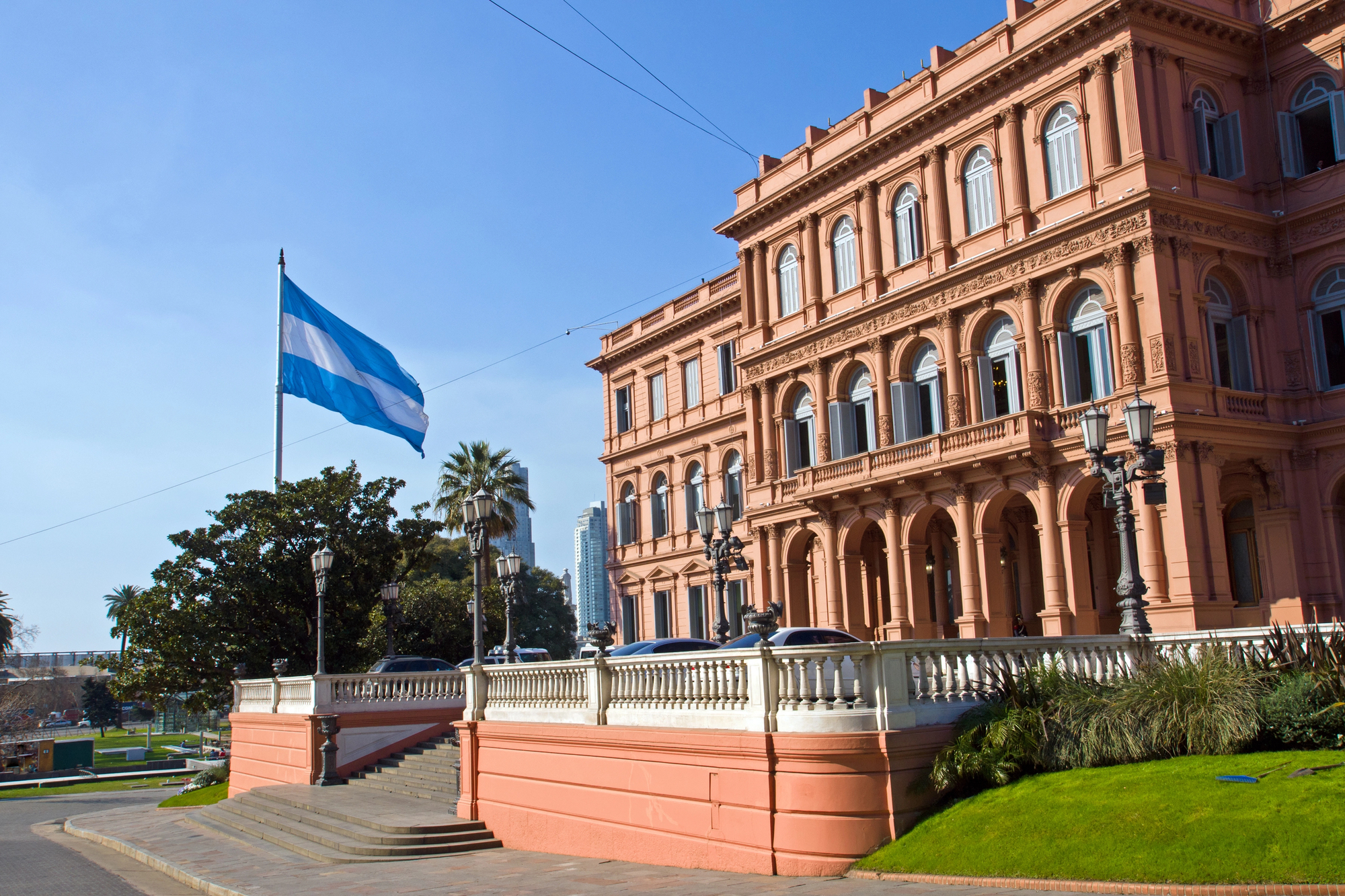
Argentina’s rich historical heritage is also reflected in landmarks such as the Casa Rosada on Plaza de Mayo, the stage for many of the country’s defining political moments, as well as the beautifully preserved buildings of the historic city center.
Crédito: Depositphotos
Rio de Janeiro takes a different approach. Its cultural life is spread across diverse neighborhoods and remains in constant dialogue with the city’s natural landscape.
In the city center, the Museum of Tomorrow has become one of Brazil’s leading icons of contemporary architecture, while the Museum of Art of Rio (MAR) brings together exhibitions on art, photography, and the city’s history.
Further south, the Moreira Salles Institute offers a consistently curated program of photography, film, music, and temporary exhibitions, housed in a building that is worth visiting for its architecture alone.
Another highlight is Parque Lage, where a historic mansion is home to the School of Visual Arts and exhibitions set against the lush backdrop of Tijuca National Forest.
Beyond its major cultural institutions, Rio offers an artistic scene that is woven into everyday life. It’s common to discover small art galleries in Ipanema, come across open-air performances, or find cultural events taking place in public squares and along the waterfront.
While Buenos Aires preserves a more classical and monumental atmosphere, Rio presents a vibrant artistic scene that is deeply connected to both the urban landscape and the natural environment.
This contrast helps explain why many travelers choose to visit both destinations at different moments in their lives.
Gastronomy: Two Culinary Capitals with Distinct Identities
If there is one area where Rio de Janeiro and Buenos Aires compete on equal footing for travelers’ attention, it is gastronomy. Both cities are experiencing an especially exciting culinary moment, but each has built its reputation in a very different way.
Buenos Aires is internationally renowned for its parrillas, yet its dining scene has evolved far beyond Argentina’s traditional steakhouses. Neighborhoods such as Palermo are home to some of Latin America’s most celebrated restaurants, combining technical excellence, creativity, and a deep respect for local traditions.
Don Julio, consistently ranked among the world’s best restaurants, has elevated the Argentine parrilla to the level of fine dining. El Preferido de Palermo revives classic recipes in a setting full of character, while the bold and unconventional Niño Gordo showcases a completely different side of the city, blending Asian influences in one of Buenos Aires’ most inventive restaurants.
Buenos Aires’ culinary identity is also shaped by its historic cafés. Known as Cafés Notables and protected as part of the city’s cultural heritage, these establishments preserve a way of life that remains deeply rooted in local identity. Among them, the iconic Café Tortoni, founded in 1858, continues to be one of the city’s most emblematic landmarks for understanding Buenos Aires’ history and culture, while also hosting traditional tango performances.
Rio de Janeiro, by contrast, has developed a culinary identity that reflects both its geography and its lifestyle. Its close relationship with the ocean, the celebration of Brazilian ingredients, and the influence of diverse cultures have given rise to a cuisine that is fresh, creative, and increasingly recognized on the international stage.
The city is home to award-winning restaurants such as Lasai and Oteque. Yet some of its most memorable dining experiences can be found in Ipanema, where gastronomy blends naturally into everyday life.
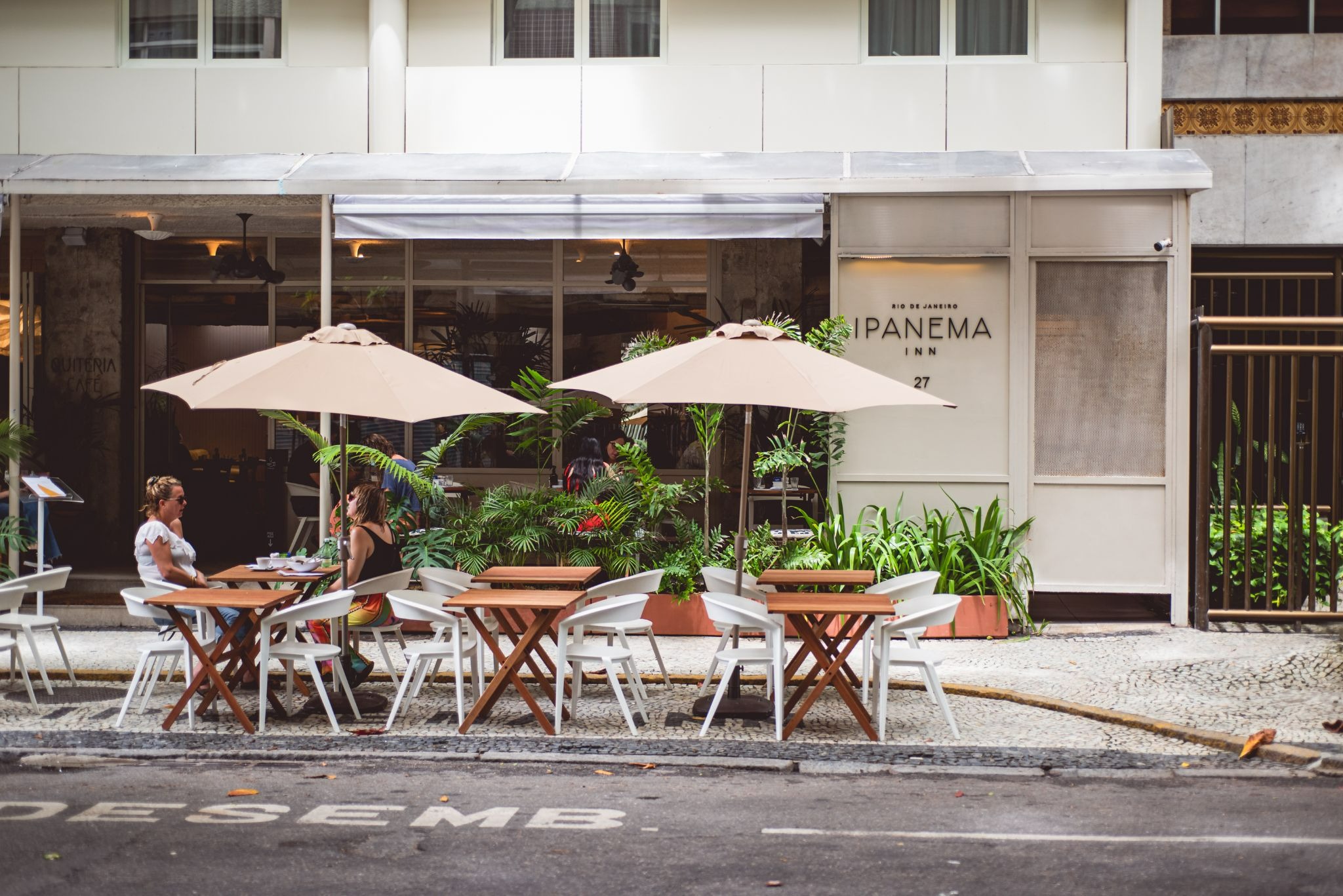
At Quitéria, located on the ground floor of Ipanema Inn, Brazilian cuisine is reimagined through light, seasonal dishes inspired by local producers. Its relaxed atmosphere makes it a favorite gathering place for both guests and Cariocas, from breakfast through dinner.
Just a few minutes away, arp bar, overlooking Ipanema Beach, embodies the spirit of Rio’s coastal cuisine. The menu highlights fresh fish, seafood, and seasonal ingredients in dishes that naturally reflect the surrounding seascape. It is a place where gastronomy, ocean views, and the Carioca lifestyle come together.
Perhaps this is the greatest difference between the two cities. In Buenos Aires, many restaurants are destinations in themselves, worthy of dedicating an entire evening to the experience. In Rio, dining is often woven into the rhythm of the day—a leisurely lunch after the beach, a coffee during a stroll through the neighborhood, or dinner at sunset. Eating well becomes another way of experiencing the city.

What Is It Like to Explore the Cities on Foot? The Experience Begins in the Neighborhood
One of the best ways to decide between Rio de Janeiro and Buenos Aires is to imagine what an ordinary day of your trip might look like. After all, more than visiting famous attractions, what makes a destination truly memorable is the experience of living the city.
In this respect, Rio and Buenos Aires share something in common: both are cities made for walking. The difference lies in how that experience unfolds.
In Buenos Aires, each neighborhood feels like a world of its own, with a distinct personality, unique architecture, and enough attractions to justify spending an entire day exploring the area. In Rio, especially in Ipanema, the city feels more integrated, where a variety of experiences come together within just a few minutes’ walk.
Palermo: Gastronomy, Design, and Creative Energy
Palermo is Buenos Aires’ largest neighborhood and also its most vibrant. Divided into several districts, Palermo Soho and Palermo Hollywood are home to the city’s most contemporary scene.
Its tree-lined streets are filled with beautifully restored houses that now host cafés, restaurants, art galleries, vintage shops, design boutiques, and charming boutique hotels. It’s the kind of neighborhood that invites you to wander without a fixed itinerary—stepping into a bookstore, discovering an independent coffee shop, or lingering over a leisurely lunch.
Crédito: Depositphotos
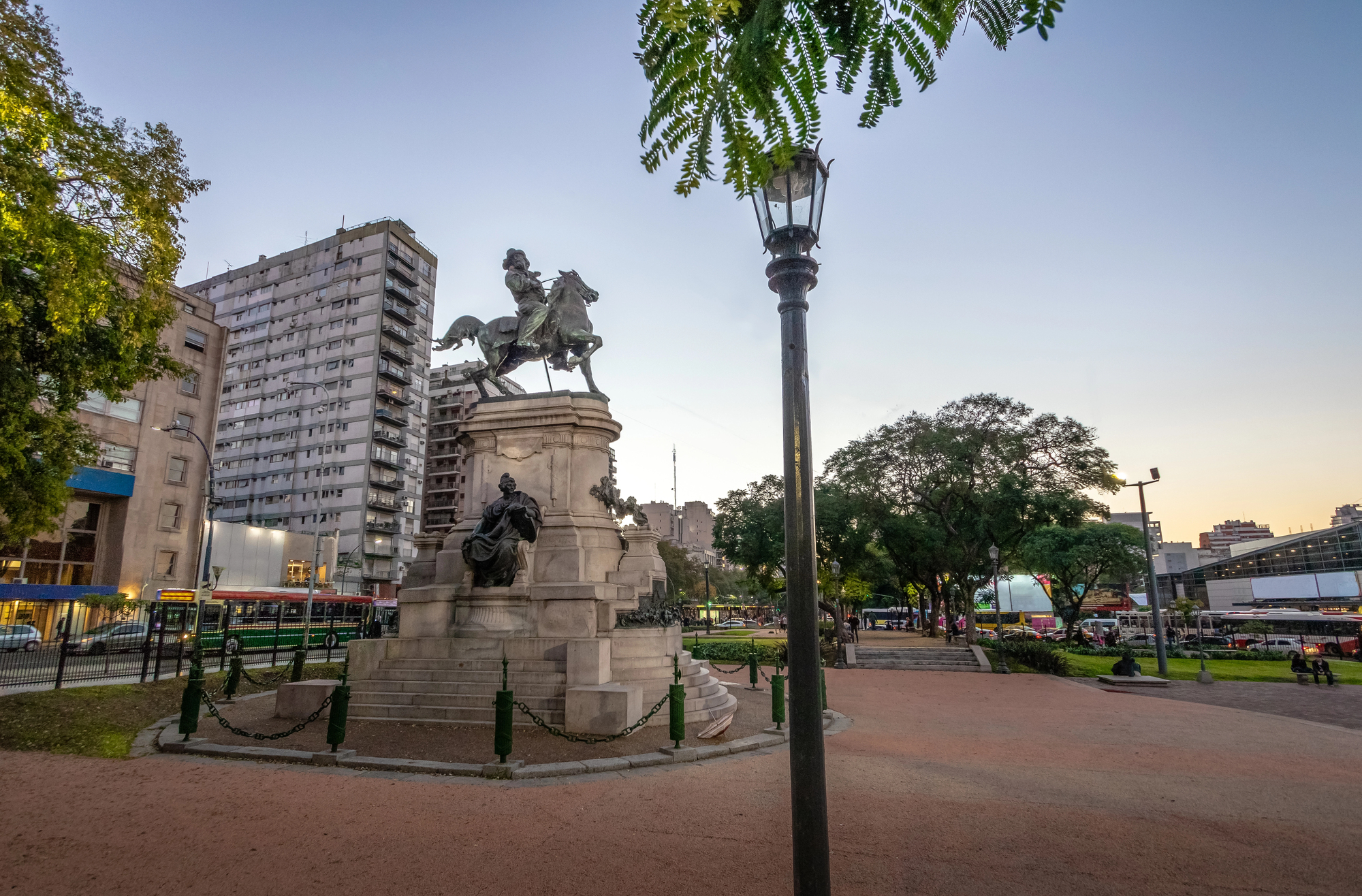
Recoleta: Classic Elegance and a European Atmosphere
Recoleta emerged as the neighborhood of Buenos Aires’ aristocracy in the late 19th century, when the city looked to Paris for architectural inspiration. To this day, a stroll along Avenida Alvear reveals beautifully preserved mansions, historic hotels, embassies, and elegant buildings reminiscent of Europe’s great capitals.
Beyond its architecture, Recoleta is home to some of the city’s most important cultural landmarks, including Recoleta Cemetery and the Recoleta Cultural Center. For first-time visitors to Buenos Aires, Recoleta is often one of the best areas to stay thanks to its strategic location between Downtown and Palermo.
San Telmo: Buenos Aires at Its Most Authentic
San Telmo offers a completely different experience. Its cobblestone streets, historic mansions, antique shops, and traditional cafés preserve a nostalgic atmosphere that evokes the Buenos Aires of decades past.
The neighborhood is home to the traditional San Telmo Market, Plaza Dorrego, and the famous San Telmo Fair, held every Sunday, when hundreds of antique stalls, street performers, and tango dancers fill Calle Defensa with life.
And What About Rio?
The South Zone is home to some of Rio de Janeiro’s most iconic landscapes and encompasses neighborhoods such as Ipanema, Leblon, Copacabana, and Botafogo. It is the ideal area for travelers who want to combine beach life, gastronomy, culture, and outdoor walks. The beachfront promenade, bike paths, cafés, restaurants, and art galleries are all part of everyday life, inviting visitors to experience the city on foot.
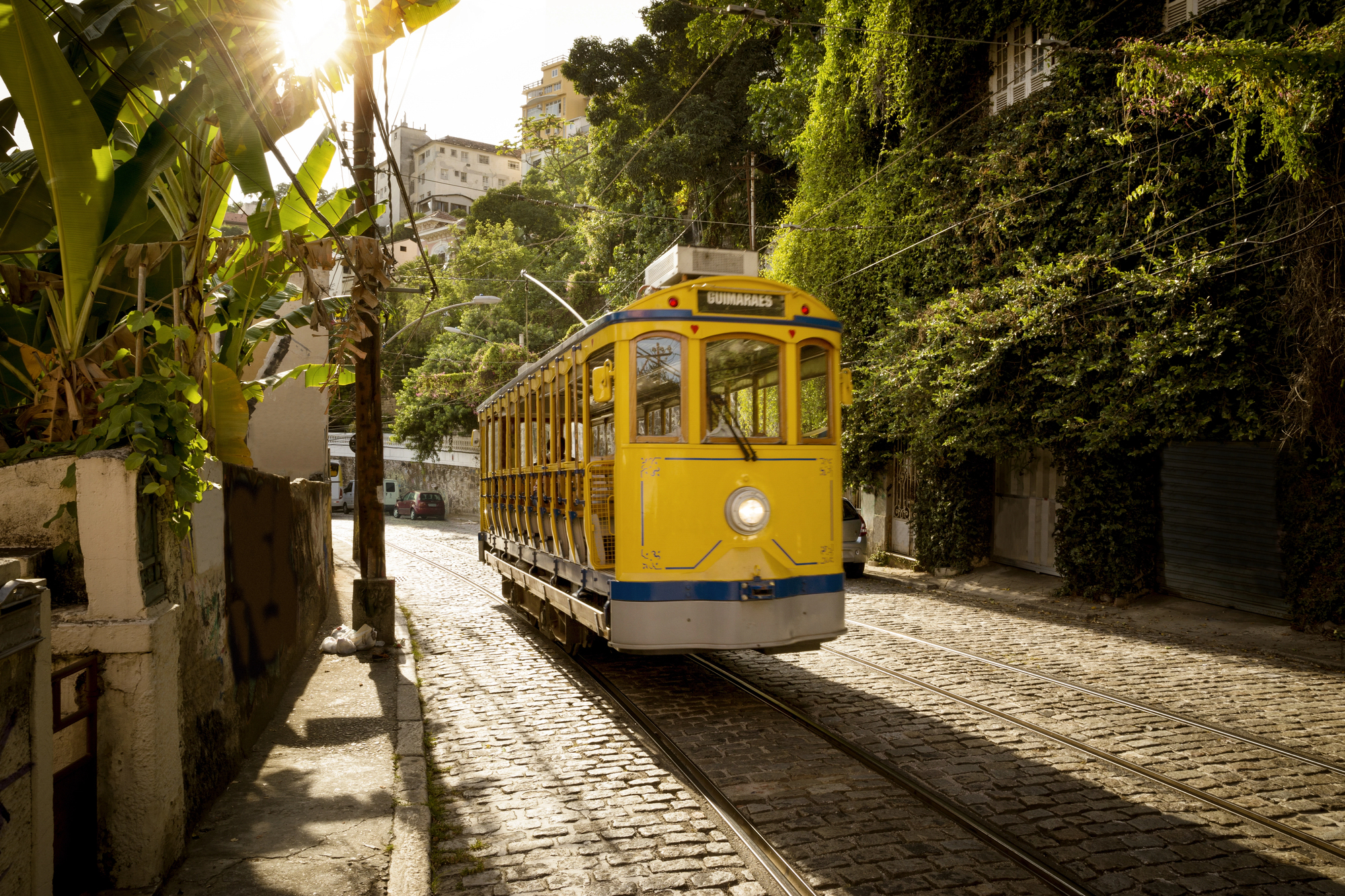
Downtown Rio reveals a completely different side of the city. In recent years, the area has undergone an extensive revitalization and is now home to some of Rio’s leading cultural institutions. The VLT light rail provides a convenient way to explore these attractions while also connecting visitors to historic landmarks such as Praça XV, the Imperial Palace (Paço Imperial), and Confeitaria Colombo, one of Brazil’s most iconic historic cafés.
Barra da Tijuca offers yet another perspective on the city. Home to one of Brazil’s longest urban beaches, wide avenues, excellent shopping malls, and modern dining destinations, the neighborhood is especially popular with families, surfers, and travelers seeking a quieter, more spacious atmosphere.
Other neighborhoods are equally worth exploring. Santa Teresa is known for its winding streets, artists’ studios, historic mansions, and intimate restaurants. The Jardim Botânico combines lush nature, charming cafés, and some of the city’s most beautiful green spaces. Meanwhile, Botafogo has established itself as one of Rio’s most dynamic culinary and cultural districts, bringing together lively bars, craft breweries, and spectacular views of Sugarloaf Mountain.
It is precisely this diversity that makes Rio so compelling. In just a few days, visitors can experience many different sides of the city while still enjoying a seamless sense of connection between them.
Crédito: Depositphotos
Beach Lifestyle or European Atmosphere?
Buenos Aires offers a distinctly urban experience. Its parks, plazas, and grand boulevards are woven into everyday life, providing wonderful spaces for walking, jogging, or simply watching the city go by. What it doesn’t offer, however, is a coastline.
Rio de Janeiro, by contrast, has built its identity around the seamless connection between nature and urban life. Few places in the world allow you to leave a museum, stroll to the beach, swim in the ocean, and, just a few hours later, enjoy dinner at an internationally acclaimed restaurant—all without traveling long distances.
In Ipanema, this rhythm is simply part of everyday life. The effortless blend of nature, culture, and city living is one of Rio de Janeiro’s defining characteristics and helps explain why so many travelers find themselves returning time and again.
Travel Costs: Which Destination Offers Better Value?
When it comes to budget, both Rio de Janeiro and Buenos Aires can be surprisingly good value.
In recent years, the depreciation of the Argentine peso has made Buenos Aires especially attractive to international visitors. Renowned restaurants, historic cafés, and high-quality hotels often offer exceptional value compared to many other major global cities.
A meal at a good restaurant typically costs between US$25 and US$50 per person, while specialty coffee, medialunas, and traditional pastries generally range from US$4 to US$8.
In Rio de Janeiro, prices tend to be slightly higher in the city’s most popular tourist areas, particularly in the South Zone. On the other hand, Rio offers an enormous variety of experiences, from casual beachfront kiosks to award-winning restaurants, making it easy to tailor your itinerary to different budgets.
It’s also worth remembering that, in both destinations, the best value is often found in the most walkable neighborhoods, where many of the main attractions can be enjoyed on foot, reducing transportation costs.
This is yet another advantage of staying in neighborhoods such as Palermo, Recoleta, or Ipanema.
Which Destination Best Matches Your Travel Style?
After comparing the two cities, one thing becomes clear: there is no universal answer to the question, Rio de Janeiro or Buenos Aires? Each destination offers a distinct way to travel, and the best choice depends far more on your interests than on the city itself.
If you’re looking for a trip centered around historic architecture, world-class museums, historic cafés, and a cosmopolitan atmosphere with a strong European influence, Buenos Aires will likely be your ideal destination.
On the other hand, if your goal is to combine beaches, gastronomy, culture, and nature in a single trip, Rio de Janeiro offers an experience that is difficult to replicate anywhere else in South America. Here, time seems to be enjoyed differently. The city invites visitors to embrace its public spaces, stroll along the waterfront, discover exceptional restaurants, explore exhibitions, and experience a lifestyle that feels remarkably close to that of the Cariocas.
Rio de Janeiro or Buenos Aires: A Quick Comparison
| If you’re looking for… | Buenos Aires | Rio de Janeiro |
| Historic architecture & European influence | ⭐⭐⭐⭐⭐ | ⭐⭐⭐ |
| Classic museums & theaters | ⭐⭐⭐⭐⭐ | ⭐⭐⭐⭐ |
| Historic cafés | ⭐⭐⭐⭐⭐ | ⭐⭐⭐ |
| Contemporary gastronomy | ⭐⭐⭐⭐⭐ | ⭐⭐⭐⭐⭐ |
| Award-winning restaurants | ⭐⭐⭐⭐⭐ | ⭐⭐⭐⭐⭐ |
| Beaches | ⭐ | ⭐⭐⭐⭐⭐ |
| Nature integrated into the city | ⭐⭐ | ⭐⭐⭐⭐⭐ |
| Outdoor lifestyle | ⭐⭐ | ⭐⭐⭐⭐⭐ |
| Walkable neighborhoods | ⭐⭐⭐⭐⭐ | ⭐⭐⭐⭐⭐ |
| Romantic getaway | ⭐⭐⭐⭐⭐ | ⭐⭐⭐⭐⭐ |
| A destination for any time of year | ⭐⭐⭐⭐ | ⭐⭐⭐⭐⭐ |
Neither city disappoints. On the contrary, both rank among South America’s most captivating urban destinations, each offering unforgettable experiences. The real difference lies in the way each city is experienced.
If You Choose Rio, Ipanema Makes All the Difference
If your decision is to visit Rio de Janeiro, choosing the right neighborhood is just as important as choosing the city itself.
Ipanema brings together many of the qualities travelers value most in a well-rounded trip. It is safe and enjoyable to explore on foot, offers excellent tourist infrastructure, is home to one of Brazil’s most exciting dining scenes, and provides easy access to beaches, cultural institutions, independent boutiques, and many of Rio’s most iconic landmarks.
In this setting, Ipanema Inn offers the perfect base for discovering it all on foot. Just steps from Ipanema Beach, the hotel is surrounded by outstanding restaurants, art galleries, and cultural attractions, allowing guests to experience the neighborhood like a local and discover a more authentic side of Rio.
Ultimately, choosing between Rio de Janeiro and Buenos Aires is less important than choosing a destination that matches the way you love to travel.