



LGBTQIAPN+ Pride Day is also a celebration of freedom, self-expression, and the encounters that transform cities into cultural symbols. And few places embody this spirit as well as Ipanema.
Between the beach, music, art, lifestyle, and urban life, the neighborhood has built an identity over the decades that is deeply connected to diversity and authenticity. Far more than a postcard-perfect destination, Ipanema has become a space for plural coexistence, where different ways of living, creating, and expressing oneself have always found a place.
It is within this setting that Ipanema Inn celebrates its 50th anniversary in 2026. Since its opening, the hotel has witnessed the neighborhood’s cultural evolution and remains connected to the most authentic, welcoming, and free-spirited side of the carioca lifestyle.
The Meaning of LGBTQIAPN+ Pride Day
Celebrated worldwide in June, LGBTQIAPN+ Pride Day commemorates the historic fight for rights, visibility, and freedom within the LGBTQIAPN+ community.
Beyond that, the date has also become a moment to celebrate diversity in cities, the occupation of urban spaces, and the appreciation of cultures that embrace different identities and ways of being.
In Rio de Janeiro, this spirit finds a natural setting: a city internationally known for its blend of art, beach culture, music, lifestyle, and outdoor living.
According to Rio’s official tourism guide, the city is among Brazil’s leading LGBTQIAPN+ travel destinations, offering cultural events, nightlife, beaches, and urban experiences recognized for their diversity.
Ipanema and Its Historic Relationship with Freedom and Diversity
Long before becoming one of Rio’s most sought-after neighborhoods, Ipanema already carried a strong connection to cultural experimentation and progressive lifestyles.
Officially founded in 1894 by the Count of Ipanema, the neighborhood developed between the ocean and the city before establishing itself as one of Rio’s leading cultural hubs throughout the twentieth century.
However, it was particularly during the 1960s and 1970s that Ipanema became a symbol of creative freedom in Brazil.
During this period, artists, musicians, intellectuals, surfers, and young people occupied the neighborhood’s streets, bars, beaches, and corners in a spontaneous movement of cultural exchange and social transformation.
The famous “Dunas do Barato,” located at the former Ipanema Pier, left a profound mark on that generation. Frequented by figures such as Gal Costa, Caetano Veloso, and Gilberto Gil, the site became one of the most important symbols of Rio’s counterculture movement during Brazil’s military dictatorship.
There, surfing, music, art, political discussions, and new forms of self-expression coexisted naturally. It was also during this period that the tradition of applauding the sunset in Ipanema was born—a ritual that remains alive to this day.

Bossa Nova, Fashion, and Lifestyle: The Spirit of Ipanema
Beyond music, Ipanema also helped shape trends in fashion, design, and lifestyle across Brazil.
The neighborhood gave rise to pioneering boutiques, independent fashion movements, and brands that transformed the carioca way of dressing into an international reference.
At the same time, bossa nova established a lighter, more intimate, and sophisticated way of experiencing the city.
Inspired by the streets and beaches of Ipanema, the music of Tom Jobim and Vinicius de Moraes immortalized the neighborhood as a symbol of a more sensory, artistic, and free-spirited Rio.
Iconic classics such as The Girl from Ipanema emerged directly from this everyday atmosphere of beaches, cafés, gatherings, and music.
Today, decades later, Ipanema remains one of the neighborhoods most closely associated with creativity, diversity, and individual expression in Rio de Janeiro.
LGBTQIAPN+ Tourism in Rio and Authentic Experiences in Ipanema
Today, LGBTQIAPN+ tourism in Rio extends far beyond nightlife. Visiting the city also means experiencing cultural, culinary, and urban attractions in neighborhoods that value diversity and authenticity.
In Ipanema, this can be felt naturally in everyday life: on the beaches, in cafés, galleries, bars, bookstores, and in the interactions between residents and visitors from around the world.
In addition, the neighborhood provides easy access to some of Rio’s most important cultural landmarks, including:
- General Osório Square, home to the famous Hippie Fair every Sunday
- Arpoador, known for its charming beach and iconic rock formation overlooking the sunset
- Art galleries and cultural centers spread throughout Rio’s South Zone
At the same time, Rio continues to strengthen its position as one of Brazil’s leading LGBTQIAPN+ destinations. In 2026, Rio’s LGBT+ Pride Parade will take place on November 22, bringing together thousands of people in Copacabana to celebrate diversity, freedom, and visibility. The official theme for this edition, “We Recognize Every Form of Love and Existence as Just,” highlights ongoing conversations around representation and community rights.
For those interested in exploring even more of the city’s LGBTQIAPN+ cultural scene, the parade’s official platform also provides information about events, annual programming, and cultural initiatives connected to the community.
Crédito: Depositphotos
Ipanema Inn as the Ideal Base for Experiencing Rio Authentically
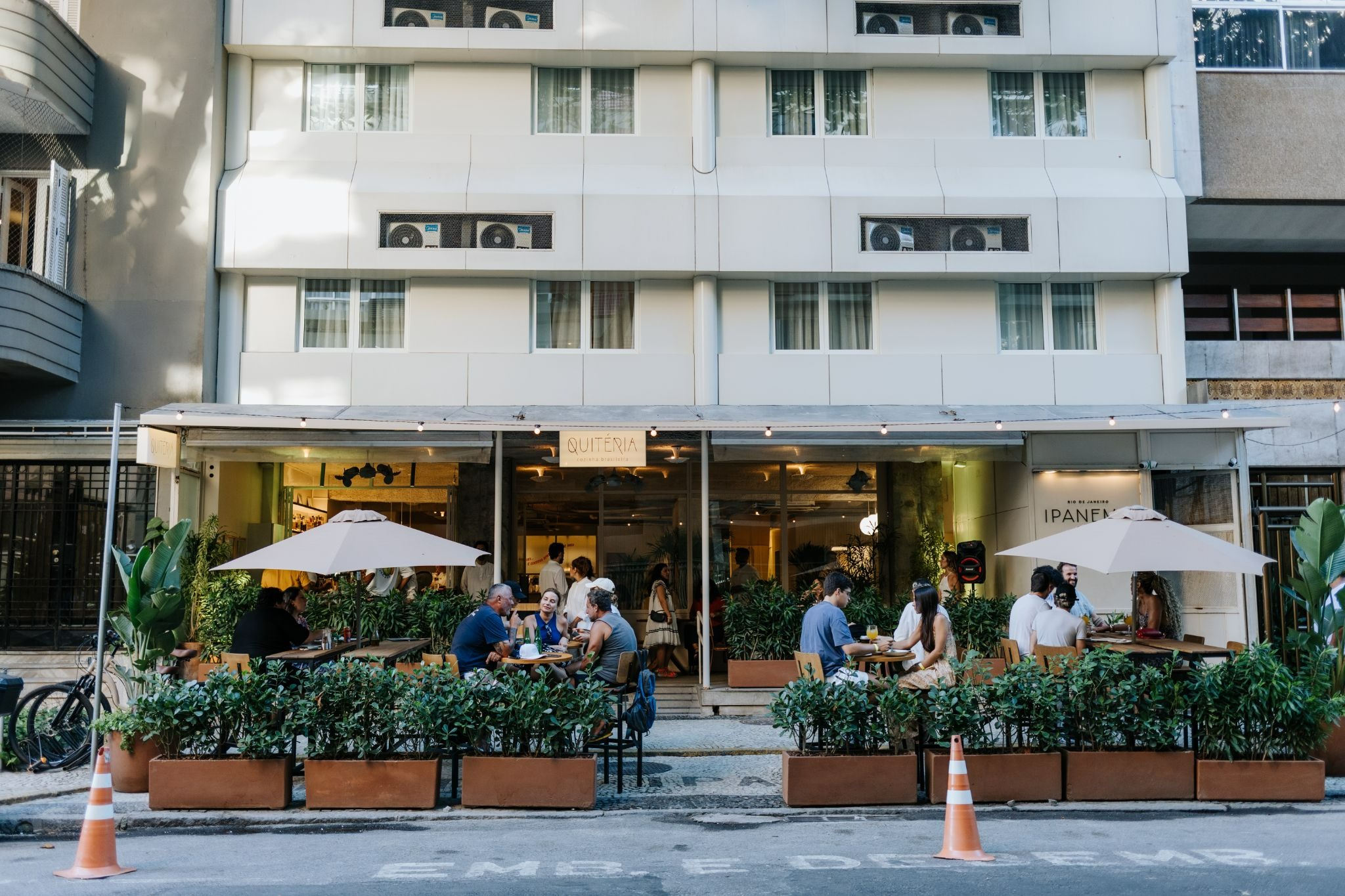
Located in the heart of the neighborhood, Ipanema Inn has accompanied Ipanema’s cultural evolution for five decades.
Since 1976, the hotel has welcomed travelers seeking an experience that feels closer to everyday carioca life—one connected to music, gastronomy, the beach, and the rhythm of the neighborhood.
Today, that spirit remains present in every detail: in the welcoming atmosphere, the boutique-hotel experience, Brazilian design, and the hotel’s close relationship with the city.
In addition, the hotel is home to Quitéria, a restaurant known for its fresh, contemporary Brazilian cuisine and for celebrating local ingredients and meaningful moments shared around the table.
For travelers looking to explore LGBTQIAPN+ Rio de Janeiro in a more authentic way, walking through Ipanema remains one of the best ways to understand the city—through its mix of styles, stories, cultures, and people.
LGBTQIAPN+ Pride Day: To Experience Ipanema Is to Experience Freedom
On LGBTQIAPN+ Pride Day, celebrating diversity also means celebrating cities that encourage connection, exchange, and freedom of expression.
And for decades, Ipanema has remained one of the neighborhoods that best represents this spirit in Rio de Janeiro.
Through music, art, beaches, gastronomy, and urban life, Ipanema Inn invites travelers to experience a more human, cultural, and authentic Rio—exactly as the neighborhood has always been.